Skip to seminar description

From SingularTaste toMass-Duplication

Philosophical Theories of Aesthetics

Participant login

Live online seminar
Seven weeks
Starting October 14

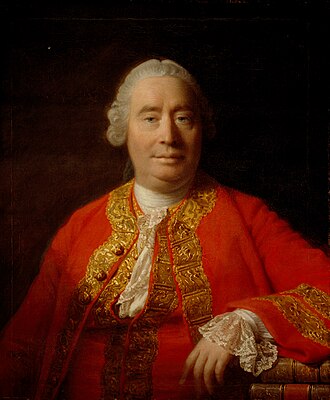
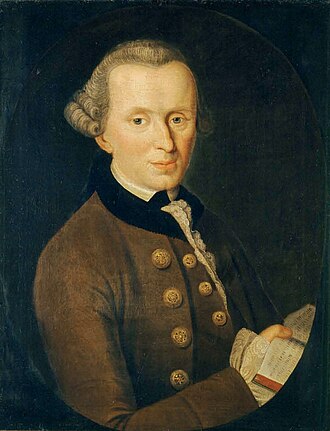
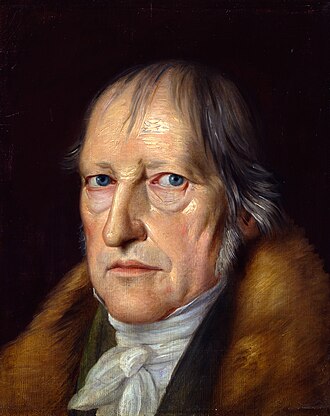
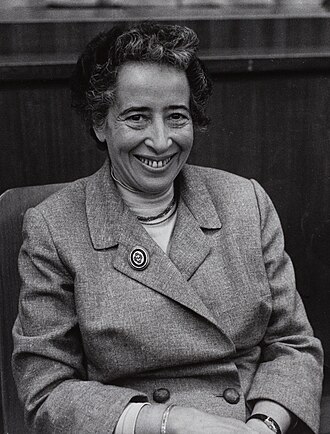
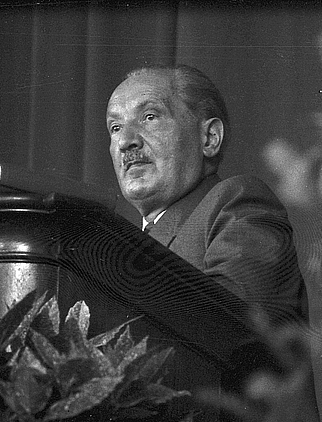
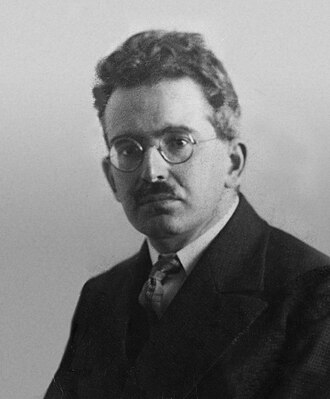
Where in the past a judgment of taste was treated as a singular experience — a subjective appreciation of a unique object — today the most common form that our taste takes is sharing and liking something through social media. As with the development of film and photography, art has become something reproducible on a large scale. Taste has become a mass phenomenon. In this seminar, we trace the development of this change. Starting in the Enlightenment period with the writings of David Hume and Immanuel Kant, we move through the view of one of the most impactful philosophers of all time — G.W.F. Hegel — to the writings of three 20th-century figures: Hannah Arendt, Martin Heidegger, and Walter Benjamin.

Artists, designers, photographers, creatives, thinkers—anyone interested in philosophical questions centered around art and society.

No previous engagement with philosophy is required. Bring a serious interest in the questions and a willingness to engage with difficult texts.

Taste & beauty · Hume, Kant

What is taste? What is a judgment of taste? Can there be a standard of taste?

We begin with two philosophers from the Enlightenment period, David Hume and Immanuel Kant, and their discussions of our faculty of taste and aesthetic judgments.

Art & society · Hegel

What is the relationship between art and society? Is there an end to art?

From the individual judgment, we turn to art and society: how art expresses something about a society and whether art has come to an end.

Art & technology · Arendt, Heidegger, Benjamin

What changes when art is reproduced?

Film, photography, and mass society change how we encounter works of art. We ask what happens to art when a singular encounter becomes an experience shared by millions.

Pia Schneider

Pia Schneider

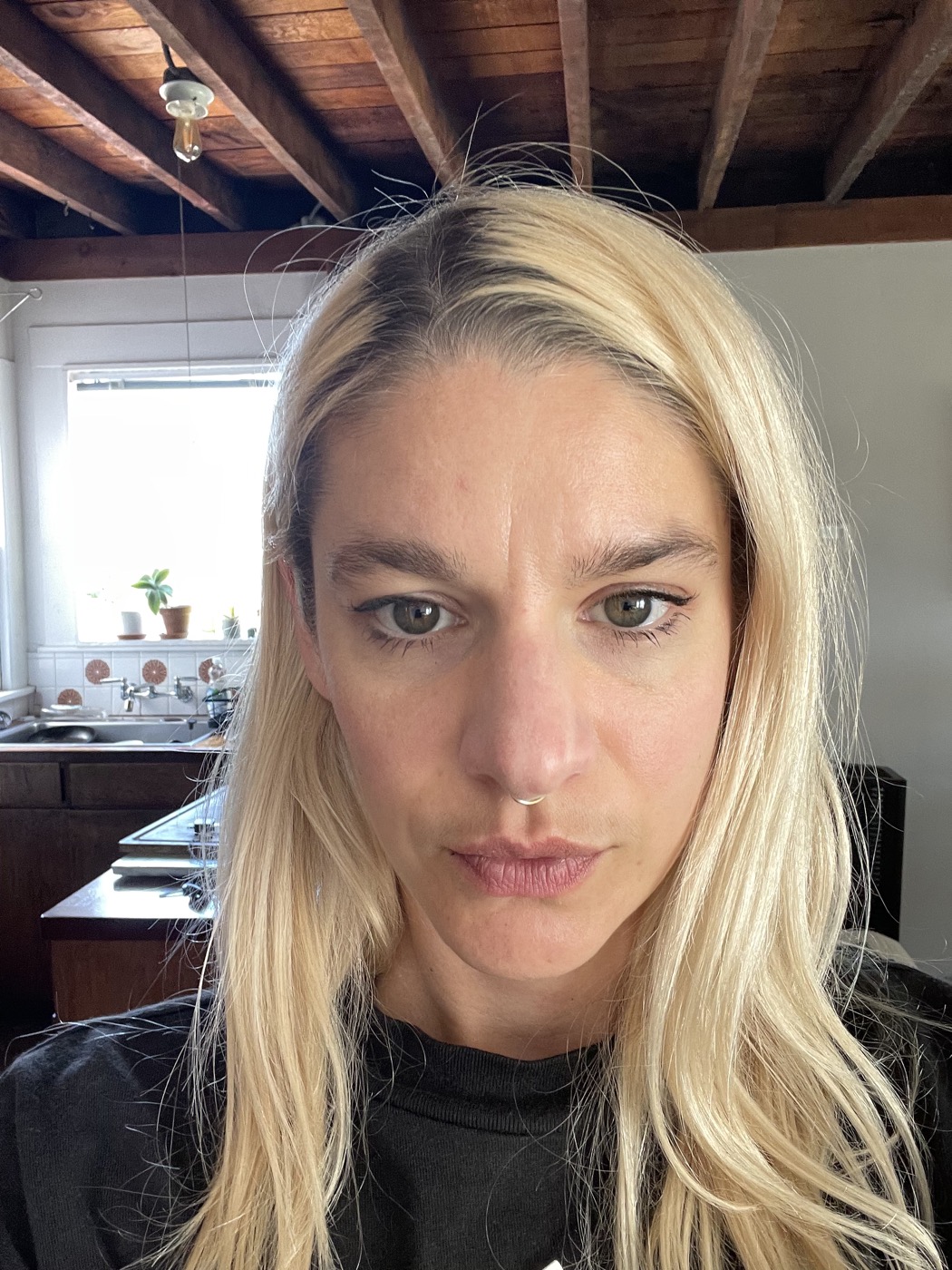
Pia is a philosopher based in the Bay Area, California. She has recently finished her PhD at UC Berkeley with a dissertation on Immanuel Kant’s theoretical philosophy. Before coming to California in 2016, she got a BA in German Studies and Philosophy at the Johannes Gutenberg University in Mainz, Germany, and an MA in Logic and Philosophy of Science at the Munich Center for Mathematical Philosophy. Pia has presented her academic work at various conferences, including the 2025 Biennial of the North American Kant Society, the 2026 Pacific Division meeting of the American Philosophical Association, and the 2026 meeting of the International Simone de Beauvoir Society.

With a one-year hiatus during which she was a visiting student scholar at Harvard, Pia has taught for the last nine years at UC Berkeley both as a Primary Instructor and as a Graduate Student Instructor on a number of topics, including Hegel’s Phenomenology of Spirit, Heidegger’s Being and Time, Kant’s Critique of Pure Reason, Aesthetics, Ethics, and Logic. In 2021, she received the Outstanding Graduate Student Instructor Award.

Timeline

WeekTopicPhilosopher
  1. 01

    Introductions: Overview of the seminar

    —
  2. 02

    In Search of a Standard: Subjective Taste, Qualified Critics

    David Hume
  3. 03

    Speaking for All: The Logic of Taste

    Immanuel Kant
  4. 04

    Embodied Spirit: Art in Society and at Its End

    Georg Wilhelm Friedrich Hegel
  5. 05

    The Most Worldly of Things: Art as Work

    Hannah Arendt
  6. 06

    Disclosing Worlds: Art at Work

    Martin Heidegger
  7. 07

    The Lost Aura: Art for the Masses

    Walter Benjamin

Starting
October 14

Duration
Seven weeks
When
Wednesdays 6:30-8:30pm PT
Format
Live online
Led by
Pia Schneider
Price
$350

Another time?

Hear when Denkart announces another seminar.